









In this post
Key takeaways
The excess mileage rate is printed in your lease contract; multiply it by the miles over to see the bill.
Check your pace every few months, since the earlier you know, the more options you have.
Buying extra miles before the end is often cheaper than paying the overage, if the lender allows it.
Buying the car or trading it in means the excess mileage charge does not apply.
A lease mileage overage is the charge for every mile you drive beyond the allowance in your lease. The rate per mile is printed in your contract, and the bill comes when you return the car. It is one of the few lease costs you can see coming months in advance, which means it is one of the few you can do something about.
This guide covers how the charge is worked out, how to check your pace, and what to do if you are going to be over.
How the charge is worked out
Every lease sets a total mileage allowance: the yearly allowance times the years of the lease. A 36-month lease at 10,000 miles a year allows 30,000 miles. When you return the car, the lender reads the odometer, subtracts the allowance, and charges the excess mileage rate on every mile over.
Here is an example with round numbers chosen only to show the method. Your contract's rate will differ.
| Line | Example |
|---|---|
| Allowance | 10,000 miles a year for 36 months, so 30,000 miles |
| Odometer at turn-in | 34,000 miles |
| Miles over | 4,000 |
| Example rate | 25 cents a mile |
| Charge | $1,000, plus any tax that applies |
The rate is in the contract you signed, usually near the mileage allowance. Look it up now, not at turn-in.
Check your pace
You do not need to wait until the end to know where you will land. Divide the miles on the odometer by the months you have had the car, and multiply by the months of the term.
Say you are 14 months into a 36-month lease with 15,000 miles on the clock. That is about 1,071 miles a month, which puts you on course for about 38,600 miles over 36 months. On a 30,000-mile allowance, you are heading for roughly 8,600 miles over.
Doing this every few months tells you early whether you need to act.
What to do if you are going over
Drive the lease car less. If there is another car in the household, shifting the long trips to it is the cheapest fix there is.
Buy miles before the end. Some lenders let you buy extra miles during the lease, often at a lower rate than the overage. Ask your lender whether it does, at what rate, and whether unused bought miles are refunded.
Buy the car. If you buy your leased car for the purchase price in the contract, the excess mileage charge does not apply. A high-mileage car is worth less on the market, though, so check that the buyout price makes sense for a car with those miles.
Trade it in or sell it. If a dealer buys the car from your lender, the extra miles lower what the car is worth, but you do not pay the overage charge itself. Whether a dealer can buy your car from the lender depends on the lender's rules.
Lease again with the same brand. Some carmakers' finance companies have programs that waive some excess mileage or wear charges when you lease another of their cars. They come and go, so ask at the time.
When the bill arrives
You will not usually pay the overage on the day you hand the car back. At turn-in you sign an odometer statement, and the inspector records the mileage and the car's condition. A few weeks later the lender sends a final statement listing the excess miles, any excess wear, the disposition fee if your contract has one, and any tax that applies.
Check three things on it:
- the mileage matches the odometer statement you signed
- the allowance used is the one in your contract, for the full term
- the rate per mile is the one printed in your contract
Keep a photo of the odometer and the signed statement from the day you return the car. If a figure on the final bill is wrong, those two things settle it quickly.
Choosing the right allowance next time
The easiest overage to avoid is the one you plan for. Most leases come with allowances such as 7,500, 10,000, 12,000 or 15,000 miles a year, and the payment is higher for more miles because the car is worth less at the end.
- Look at how many miles you really drove in each of the last two years.
- Add any change you know about: a longer commute, a move, a new driver in the house.
- Choose the allowance just above that figure.
Paying for miles in the payment is often cheaper than paying the overage at the end, but miles you pay for and never drive are usually not refunded. A close fit is the goal.
Mileage and the car you choose
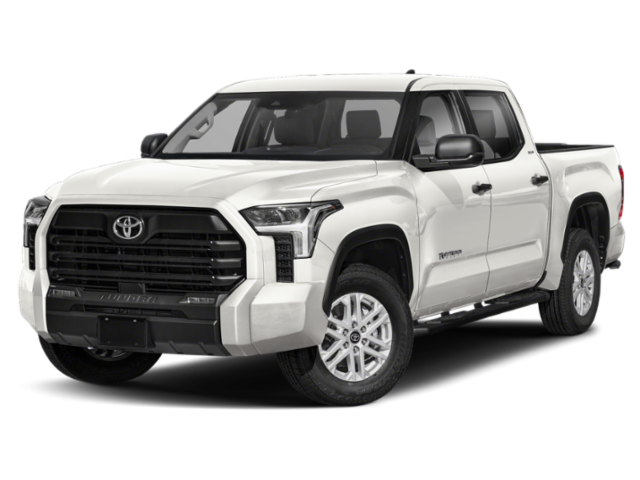
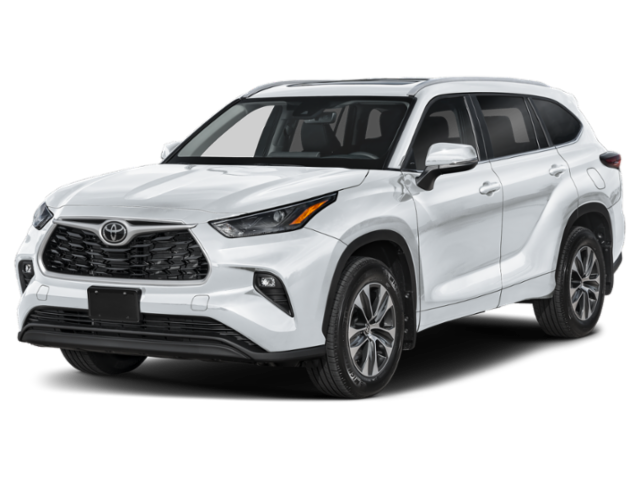
Cars that hold their value well tend to have higher residuals and can sometimes be leased with a higher mileage allowance for a modest change in payment. Mainstream models such as the Toyota lease deals and Honda lease deals are worth comparing at the mileage you really drive. Every offer on the current lease deals shows the miles a year it is quoted at, and you can ask for a quote at a different allowance to see what it changes.
Common questions
How much does it cost to go over the miles on a lease?
Each lease sets its own excess mileage rate, printed in the contract as a charge per mile. Multiply that rate by the number of miles you are over the allowance. Luxury and higher-priced cars often carry a higher rate per mile than mainstream ones.
Do I pay for extra miles if I buy my leased car?
No. The excess mileage charge applies when you return the car. If you buy it for the purchase price in the contract, extra miles do not change that price.
Can I get money back for miles I did not use?
Usually not. Most leases do not refund unused miles, although a few lenders or loyalty programs have offered a credit. Check your contract, and ask the lender before you turn the car in.
How many miles a year should I choose?
Pick an allowance close to what you really drive, with a little room. Look at your last two years of driving, add any change you know is coming such as a new job, and choose the allowance just above it.
Plus tax, title, registration and dealer fees.
For well-qualified buyers with tier 1 credit, subject to approval.
Pricing, incentives and availability can change at any time, and your exact numbers are confirmed before you sign.
Ready for your real number?
Tell us the car you want and we will come back with a quote that holds up at signing.
Edgar
Lease specialist
Lease specialist at Novauto. Quotes, negotiates and delivers the kind of lease this post is about, every day.
Last updated: November 11th, 2026